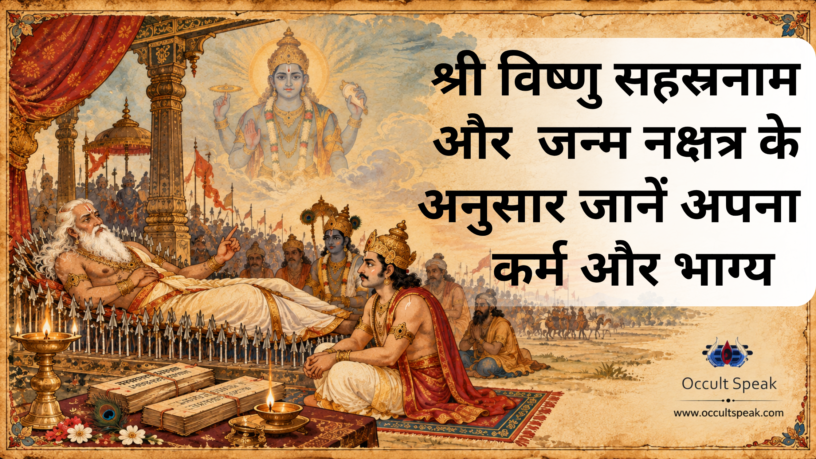

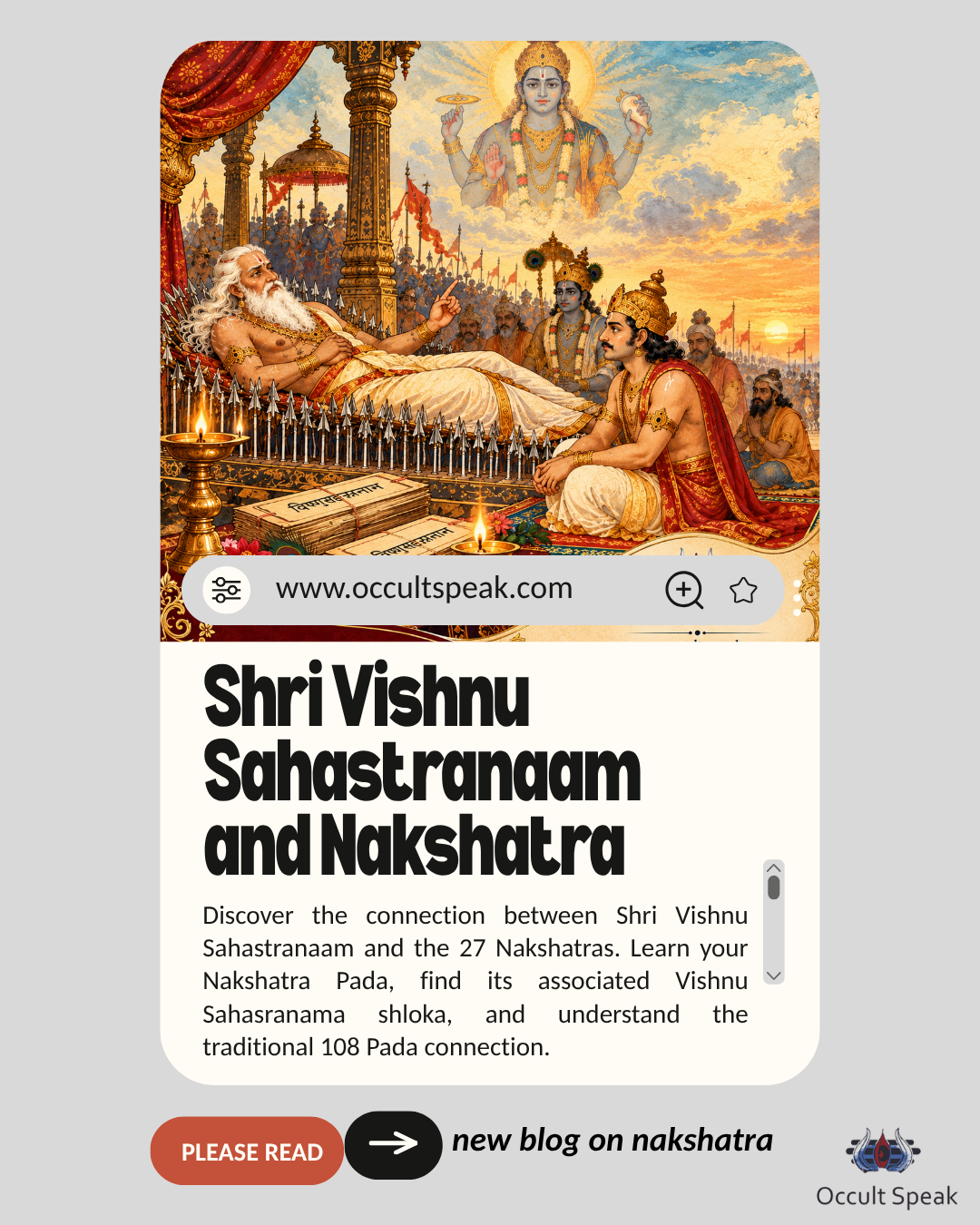
Shri Vishnu Sahastranaam, more commonly spelled Shri Vishnu Sahasranama, is one of the most revered Sanskrit stotras dedicated to Lord Vishnu. The word Sahasranama means “one thousand names.”
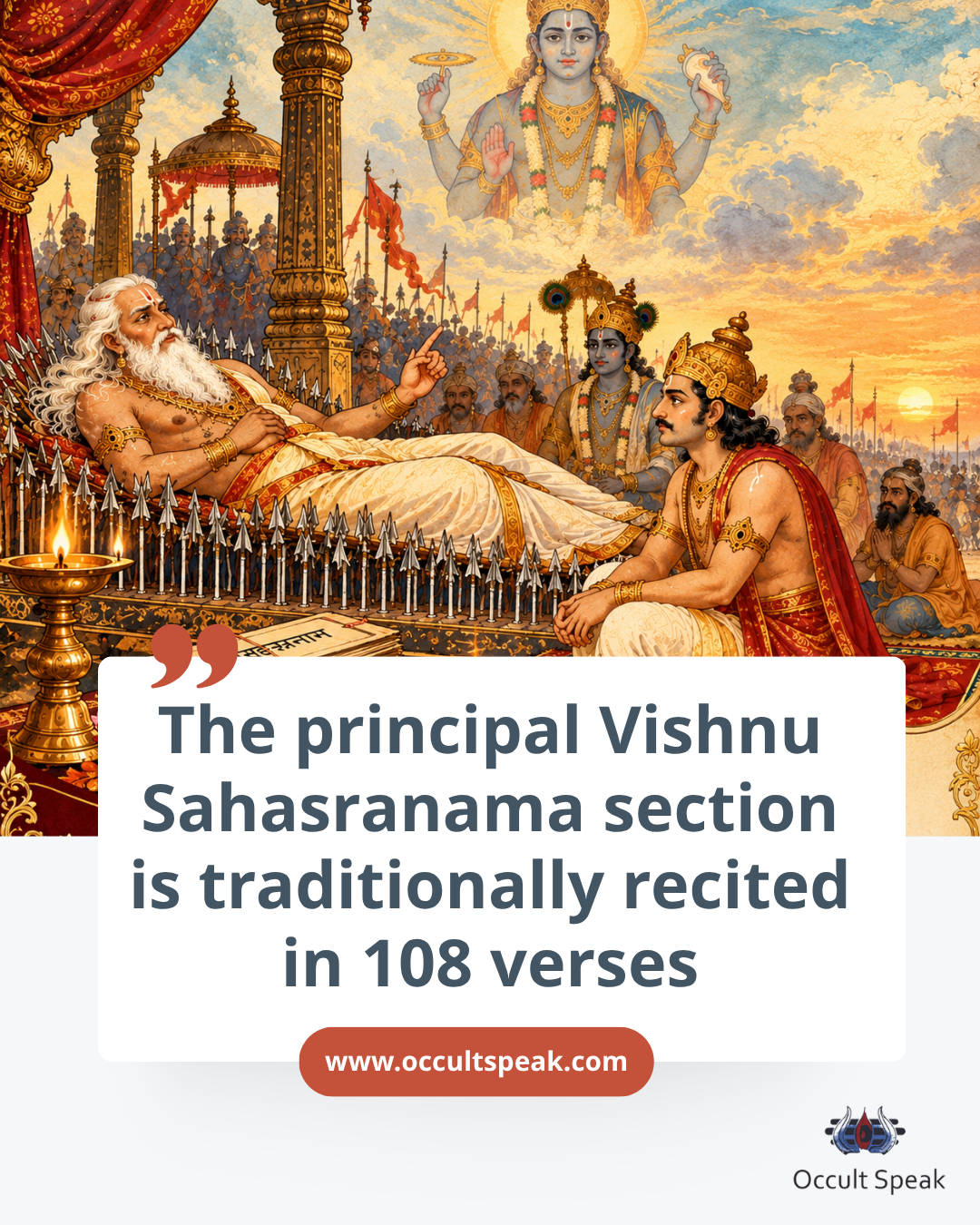
The well-known Vishnu Sahasranama appears in the Anushasana Parva of the Mahabharata, where Bhishma teaches Yudhishthira. The text is traditionally recited in 108 principal verses containing the thousand names of Lord Vishnu.
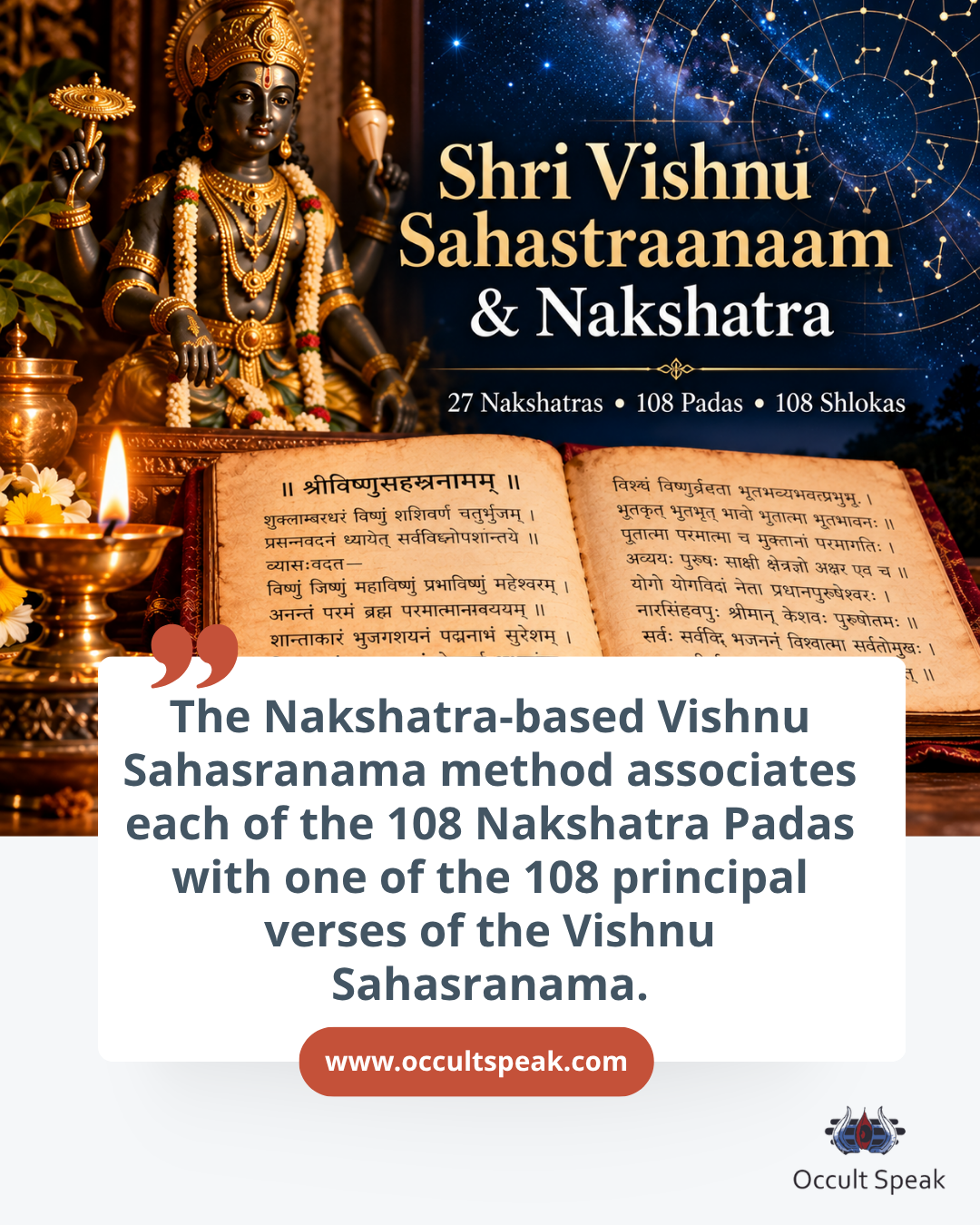
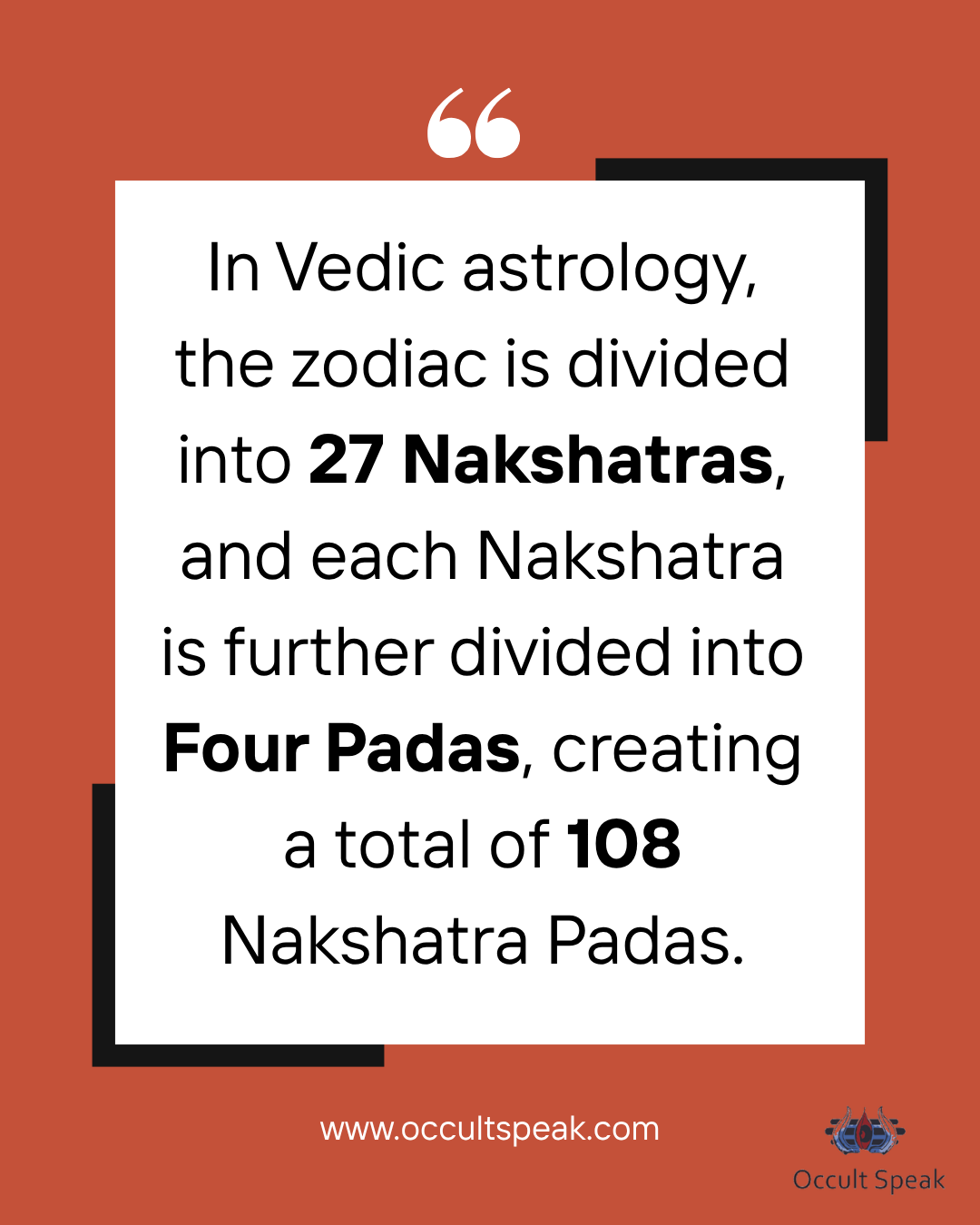
In Vedic astrology, the zodiac is divided into 27 Nakshatras, and each Nakshatra is further divided into four Padas, creating a total of 108 Nakshatra Padas.
This creates an interesting traditional association between the 108 Padas of the Nakshatra system and the 108 verses of the Shri Vishnu Sahasranama.
According to a traditional Nakshatra-based approach associated with teachings of Sri Tridandi Chinna Jeeyar Swamiji, a person’s birth Nakshatra and Pada can be used to identify a corresponding verse of the Vishnu Sahasranama for devotional recitation.
The sequential mapping places Ashwini Pada 1 with verse 1 and continues through Revati Pada 4 with verse 108.
Important note: The direct one-to-one mapping of the 108 Vishnu Sahasranama verses to the 108 Nakshatra Padas is best understood as a traditional astrological/devotional method. It should not be presented as a verse-by-verse instruction explicitly stated in the original Mahabharata text.
What is Nakshtra ?
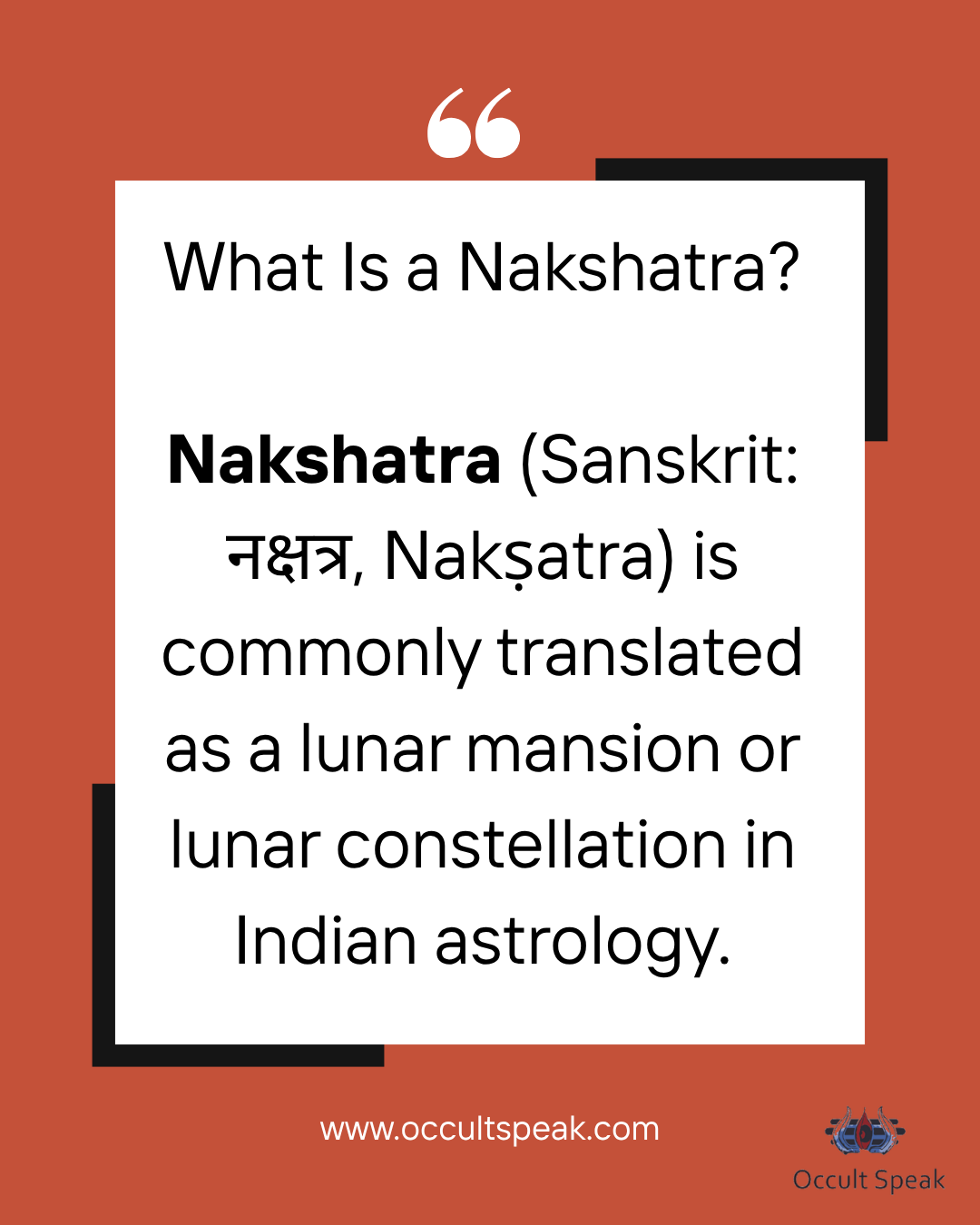
What Is a Nakshatra?
Nakshatra (Sanskrit: नक्षत्र, Nakṣatra) is commonly translated as a lunar mansion or lunar constellation in Indian astrology.
The traditional Jyotisha system recognizes 27 Nakshatras, each covering 13°20′ of the zodiac. Every Nakshatra is divided into four equal sections called Padas or Charanas, each measuring 3°20′. Therefore:
27 Nakshatras × 4 Padas = 108 Nakshatra Padas
The Nakshatra occupied by the Moon at the time of birth is commonly called the person’s Janma Nakshatra or Birth Star.
Principle of Shri Vishnu Sahasranama
Why Is the Moon Important in Nakshatra?
In Vedic astrology, the Moon’s position is particularly important for determining the Janma Nakshatra.
Your exact Nakshatra depends upon:
- Date of birth
- Exact time of birth
- Place of birth
Even a difference in birth time can sometimes change the Pada, particularly when the Moon is close to a Nakshatra boundary.
The 27 Nakshatras in Vedic Astrology
The 27 Nakshatras are traditionally arranged in the following order:
| No. | Nakshatra | Common English Transliteration |
| 1 | Ashwini | Ashvini |
| 2 | Bharani | Bharani |
| 3 | Krittika | Krittika |
| 4 | Rohini | Rohini |
| 5 | Mrigashira | Mrigashirsha |
| 6 | Ardra | Ardra |
| 7 | Punarvasu | Punarvasu |
| 8 | Pushya | Pushya |
| 9 | Ashlesha | Ashlesha |
| 10 | Magha | Magha |
| 11 | Purva Phalguni | Purva Phalguni |
| 12 | Uttara Phalguni | Uttara Phalguni |
| 13 | Hasta | Hasta |
| 14 | Chitra | Chitra |
| 15 | Swati | Swati |
| 16 | Vishakha | Vishakha |
| 17 | Anuradha | Anuradha |
| 18 | Jyeshtha | Jyeshtha |
| 19 | Mula | Mula |
| 20 | Purva Ashadha | Purva Ashadha |
| 21 | Uttara Ashadha | Uttara Ashadha |
| 22 | Shravana | Shravana |
| 23 | Dhanishtha | Dhanishta |
| 24 | Shatabhisha | Shatabhisha |
| 25 | Purva Bhadrapada | Purva Bhadrapada |
| 26 | Uttara Bhadrapada | Uttara Bhadrapada |
| 27 | Revati | Revati |
What Is a Nakshatra Pada?
Each Nakshatra is divided into four Padas, also called Charanas.
Each Pada covers 3°20′ of the zodiac.
Therefore:
1 Nakshatra = 4 Padas
and
27 Nakshatras = 108 Padas
The Pada is important in Vedic astrology because it provides a more precise position within the Nakshatra and is also used in several traditional interpretive systems.
Nakashtra and Shri Vishnu Sahasranama
Why Are There 108 Nakshatra Padas?
The number 108 has considerable importance in Indian spiritual and religious traditions.
In the Nakshatra system:
27 × 4 = 108
The Vishnu Sahasranama is also traditionally arranged in 108 principal verses. This numerical correspondence provides the basis for the Nakshatra-Pada and Vishnu Sahasranama association described in this article.
How Do I Find My Nakshatra?
To determine your Janma Nakshatra and Nakshatra Pada, you need your:
- Date of birth
- Exact time of birth
- Place of birth
A Vedic astrology birth-chart calculator can then determine the zodiacal position of the Moon and identify your Nakshatra and Pada.
Why Is Exact Birth Time Important?
The Moon moves relatively quickly through the zodiac. Therefore, an accurate birth time is important, especially if the Moon is close to the transition between two Padas or Nakshatras.
For serious astrological analysis, it is preferable to use a reliable Vedic astrology calculation system and verify the birth details carefully.
What Is Shri Vishnu Sahastranaam?
Shri Vishnu Sahastranaam, correctly transliterated as Shri Vishnu Sahasranama, literally refers to the thousand names of Lord Vishnu.
The famous Vishnu Sahasranama is found in the Anushasana Parva of the Mahabharata. It is presented as a dialogue in which Yudhishthira asks Bhishma questions concerning dharma and the highest spiritual path. Bhishma then teaches him the thousand names of Vishnu.
The text is traditionally attributed to the Mahabharata tradition associated with Sage Vedavyasa, with Bhishma as the narrator of the Sahasranama to Yudhishthira.
Shri Vishnu Sahasranama and the Number 108
The principal Vishnu Sahasranama section is traditionally recited in 108 verses, although editions can differ in how they number the surrounding introductory, concluding, and ancillary verses.
This is significant from a Nakshatra perspective because the Vedic zodiac contains:
27 Nakshatras × 4 Padas = 108 Padas
Thus, a traditional sequential correspondence can be created between:
108 Nakshatra Padas ↔ 108 Vishnu Sahasranama Shlokas
Nakashtra and Shri Vishnu Sahasranama
What Is the Connection Between Nakshatra and Shri Vishnu Sahastranaam?
The Nakshatra-based Vishnu Sahasranama method associates each of the 108 Nakshatra Padas with one of the 108 principal verses of the Vishnu Sahasranama.
The sequence begins with:
Ashwini Pada 1 → Shloka 1
and ends with:
Revati Pada 4 → Shloka 108
This creates a simple sequential framework:
| Nakshatra Pada | Vishnu Sahasranama Shloka |
| Ashwini Pada 1 | Shloka 1 |
| Ashwini Pada 2 | Shloka 2 |
| Ashwini Pada 3 | Shloka 3 |
| Ashwini Pada 4 | Shloka 4 |
| Bharani Pada 1 | Shloka 5 |
| Jyeshtha Pada 4 | Shloka 72 |
| Revati Pada 4 | Shloka 108 |
This sequential approach has been published and taught in modern Nakshatra-based devotional contexts.
Is the Nakshatra–Vishnu Sahasranama Connection Mentioned in the Mahabharata?
This distinction is important.
The Vishnu Sahasranama itself is part of the Mahabharata’s Anushasana Parva. However, the specific system that assigns:
Ashwini Pada 1 → Shloka 1
Ashwini Pada 2 → Shloka 2
…
Revati Pada 4 → Shloka 108
Rather, it is a traditional astrological/devotional correspondence based on the numerical relationship between the 108 Nakshatra Padas and the 108 principal Vishnu Sahasranama verses.
A modern source describing this approach specifically identifies the method with teachings attributed to Tridandi Chinna Jeeyar Swami.
What is Shri Vishnu Sahasranama
Who Was Chinna Jeeyar Swamiji?
Sri Tridandi Chinna Jeeyar Swamiji is a prominent spiritual teacher within the Sri Vaishnava tradition.
There is documented evidence of Vishnu Sahasranama and Nakshatra-related devotional practices being conducted under his guidance.
For example, an official report from the Chinna Jeeyar organization describes a Sri Yagam in which 27 Nakshatra homa kundas were used and participants were given Nakshatra-related verses and Vishnu Sahasranama verses for recitation.
For this reason, the Nakshatra-Pada association can be presented as a traditional teaching or devotional methodology, rather than as a direct quotation from the Mahabharata.
Shri Vishnu Sahastranaam Shloka According to Nakshatra Pada
The following is the commonly used sequential Nakshatra-Pada mapping:
Ashwini
- Pada 1: Shloka 1
- Pada 2: Shloka 2
- Pada 3: Shloka 3
- Pada 4: Shloka 4
Bharani
- Pada 1: Shloka 5
- Pada 2: Shloka 6
- Pada 3: Shloka 7
- Pada 4: Shloka 8
Krittika
- Pada 1: Shloka 9
- Pada 2: Shloka 10
- Pada 3: Shloka 11
- Pada 4: Shloka 12
Rohini
- Pada 1: Shloka 13
- Pada 2: Shloka 14
- Pada 3: Shloka 15
- Pada 4: Shloka 16
Mrigashira
- Pada 1: Shloka 17
- Pada 2: Shloka 18
- Pada 3: Shloka 19
- Pada 4: Shloka 20
Ardra
- Pada 1: Shloka 21
- Pada 2: Shloka 22
- Pada 3: Shloka 23
- Pada 4: Shloka 24
Punarvasu
- Pada 1: Shloka 25
- Pada 2: Shloka 26
- Pada 3: Shloka 27
- Pada 4: Shloka 28
Pushya
- Pada 1: Shloka 29
- Pada 2: Shloka 30
- Pada 3: Shloka 31
- Pada 4: Shloka 32
Ashlesha
- Pada 1: Shloka 33
- Pada 2: Shloka 34
- Pada 3: Shloka 35
- Pada 4: Shloka 36
Magha
- Pada 1: Shloka 37
- Pada 2: Shloka 38
- Pada 3: Shloka 39
- Pada 4: Shloka 40
Purva Phalguni
- Pada 1: Shloka 41
- Pada 2: Shloka 42
- Pada 3: Shloka 43
- Pada 4: Shloka 44
Uttara Phalguni
- Pada 1: Shloka 45
- Pada 2: Shloka 46
- Pada 3: Shloka 47
- Pada 4: Shloka 48
Hasta
- Pada 1: Shloka 49
- Pada 2: Shloka 50
- Pada 3: Shloka 51
- Pada 4: Shloka 52
Chitra
- Pada 1: Shloka 53
- Pada 2: Shloka 54
- Pada 3: Shloka 55
- Pada 4: Shloka 56
Swati
- Pada 1: Shloka 57
- Pada 2: Shloka 58
- Pada 3: Shloka 59
- Pada 4: Shloka 60
Vishakha
- Pada 1: Shloka 61
- Pada 2: Shloka 62
- Pada 3: Shloka 63
- Pada 4: Shloka 64
Anuradha
- Pada 1: Shloka 65
- Pada 2: Shloka 66
- Pada 3: Shloka 67
- Pada 4: Shloka 68
Jyeshtha
- Pada 1: Shloka 69
- Pada 2: Shloka 70
- Pada 3: Shloka 71
- Pada 4: Shloka 72
Mula
- Pada 1: Shloka 73
- Pada 2: Shloka 74
- Pada 3: Shloka 75
- Pada 4: Shloka 76
Purva Ashadha
- Pada 1: Shloka 77
- Pada 2: Shloka 78
- Pada 3: Shloka 79
- Pada 4: Shloka 80
Uttara Ashadha
- Pada 1: Shloka 81
- Pada 2: Shloka 82
- Pada 3: Shloka 83
- Pada 4: Shloka 84
Shravana
- Pada 1: Shloka 85
- Pada 2: Shloka 86
- Pada 3: Shloka 87
- Pada 4: Shloka 88
Dhanishtha
- Pada 1: Shloka 89
- Pada 2: Shloka 90
- Pada 3: Shloka 91
- Pada 4: Shloka 92
Shatabhisha
- Pada 1: Shloka 93
- Pada 2: Shloka 94
- Pada 3: Shloka 95
- Pada 4: Shloka 96
Purva Bhadrapada
- Pada 1: Shloka 97
- Pada 2: Shloka 98
- Pada 3: Shloka 99
- Pada 4: Shloka 100
Uttara Bhadrapada
- Pada 1: Shloka 101
- Pada 2: Shloka 102
- Pada 3: Shloka 103
- Pada 4: Shloka 104
Revati
- Pada 1: Shloka 105
- Pada 2: Shloka 106
- Pada 3: Shloka 107
- Pada 4: Shloka 108
Example: Finding Your Shri Vishnu Sahastranaam Shloka
Suppose a person’s Janma Nakshatra is Jyeshtha and the Pada is 4.
According to the sequential Nakshatra-Pada mapping:
Jyeshtha → 18th Nakshatra
4th Pada → 72nd Nakshatra Pada
Therefore:
Jyeshtha Pada 4 → Shri Vishnu Sahasranama Shloka 72
Under this traditional method, the person may use the corresponding verse as their Nakshatra-associated Vishnu Sahasranama verse for devotional practice.
This should be understood as a traditional spiritual practice rather than a scientifically established causal remedy.
27 Nakshtra and Shri Vishnu Sahasranama
How Can You Use Your Nakshatra with Shri Vishnu Sahastranaam?
If you know your Janma Nakshatra and Pada, you can identify the corresponding verse from the 108-verse mapping.
A simple process is:
Step 1: Find Your Birth Details
Keep your:
- Date of birth
- Exact birth time
- Birthplace
ready.
Step 2: Calculate Your Janma Nakshatra
Use a reliable Vedic astrology chart to determine the Nakshatra occupied by your Moon at birth.
Step 3: Find Your Nakshatra Pada
Determine whether your Moon is in Pada 1, 2, 3 or 4 of that Nakshatra.
Step 4: Find the Corresponding Vishnu Sahasranama Shloka
Use the 108-Pada table above.
Step 5: Recite with Understanding and Devotion
The Vishnu Sahasranama is fundamentally a devotional hymn. The Nakshatra association can be used as an additional traditional framework for personal spiritual practice.
Frequently Asked Questions About Shri Vishnu Sahastranaam and Nakshatra
What is Shri Vishnu Sahastranaam?
Shri Vishnu Sahastranaam, correctly spelled Shri Vishnu Sahasranama, is a Sanskrit hymn containing one thousand names of Lord Vishnu. The famous version occurs in the Anushasana Parva of the Mahabharata and is traditionally arranged in 108 principal verses.
How many Nakshatras are there?
There are 27 Nakshatras in the commonly used Vedic astrology system.
How many Padas are there in 27 Nakshatras?
Each Nakshatra has four Padas.
27 × 4 = 108 Padas.
Shri Vishnu Sahasranama and Nakashtra
How many verses are in Vishnu Sahasranama?
The principal Vishnu Sahasranama is traditionally arranged in 108 verses, although different editions may number surrounding introductory and concluding material differently.
Which Vishnu Sahasranama Shloka corresponds to Jyeshtha Pada 4?
According to the sequential 108 Nakshatra-Pada mapping:
Jyeshtha Pada 4 = Shloka 72.
Which Vishnu Sahasranama Shloka corresponds to Ashwini Pada 1?
According to the same traditional sequential mapping:
Ashwini Pada 1 = Shloka 1.
Which Vishnu Sahasranama Shloka corresponds to Revati Pada 4?
According to the sequential mapping:
Revati Pada 4 = Shloka 108.
Is the Nakshatra-to-Vishnu-Sahasranama mapping mentioned directly in the Mahabharata?
The Vishnu Sahasranama is part of the Mahabharata’s Anushasana Parva. However, the specific sequential allocation of each verse to a Nakshatra Pada is better described as a later traditional astrological/devotional methodology rather than a direct instruction found in the Mahabharata.
Conclusion
The relationship between Nakshatra, Nakshatra Pada and Shri Vishnu Sahastranaam offers an interesting meeting point between Vedic astrology and devotional practice.
There are 27 Nakshatras, each containing 4 Padas, resulting in 108 Nakshatra Padas. The traditional Vishnu Sahasranama contains 1,000 names of Lord Vishnu arranged in 108 principal verses. This numerical correspondence forms the foundation of the Nakshatra-based Vishnu Sahasranama practice.
If you know your Janma Nakshatra and Pada, you can use the table in this article to identify the corresponding Vishnu Sahasranama verse.
For example: Jyeshtha Pada 4 → Shloka 72
The practice should ultimately be approached with shraddha (faith), understanding, devotion and respect for the traditional source, rather than as a guaranteed method for producing a particular worldly result.
Find Your Nakshatra and Corresponding Vishnu Sahasranama Shloka
If you do not know your Janma Nakshatra or Pada, a Vedic birth chart can help determine it from your birth date, exact birth time and birthplace.
Once your Nakshatra and Pada are known, refer to the 108-fold mapping above to find your corresponding Shri Vishnu Sahastranaam Shloka.
Jai Shri Krishna,
Nirav Hiingu

Leave a Reply