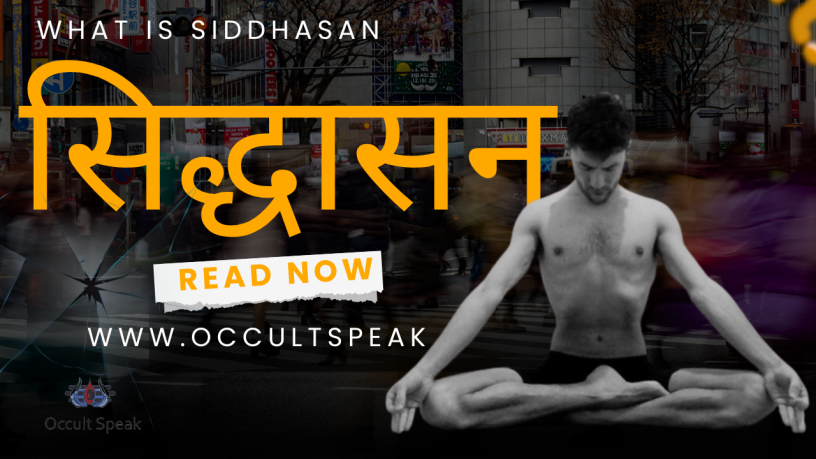


What is Siddhasana?
Meaning of Siddhasana
The term Siddhasana comes from Sanskrit, where:
- “Siddha” means accomplished, perfected, or adept
- “Asana” means posture or pose
Thus, Siddhasana is known as the “Accomplished Pose”, symbolizing mastery and perfection in yoga and meditation.
Siddhasana
Historical Background
Siddhasana finds mention in ancient yogic scriptures such as:
- Goraksha Sataka (10th century)
- Hatha Yoga Pradipika (15th century)
These texts regard Siddhasana as the “King of All Asanas”, believed to open the doorway to liberation and spiritual awakening. Traditional texts also state that mastering this posture purifies approximately 72,000 nadis (subtle energy channels) in the body, supporting higher consciousness.
What is Siddhasan ?
Physical Benefits of Siddhasana
Top Health Advantages
Practicing Siddhasana regularly may offer the following benefits:
- Enhances brain sharpness and improves decision-making abilities.
- Stimulates and strengthens the digestive system.
- Reduces lower belly fat and aids in weight management.
- Prevents issues such as piles and constipation (avoid if already suffering from these conditions or if pregnant).
- Promotes proper shape and expansion of the chest.
- Helps alleviate urinary tract infections (UTIs).
- Supports relief from sexual health disorders; beneficial for couples planning pregnancy.Helps improve control over ejaculation and urine flow in men.
- May increase sperm count naturally.
- Supports hormonal balance in the body.
- Prevents the occurrence of nightfall.
- Controls excessive sexual thoughts and impulses.
- Aids in practicing and maintaining celibacy (Brahmacharya).
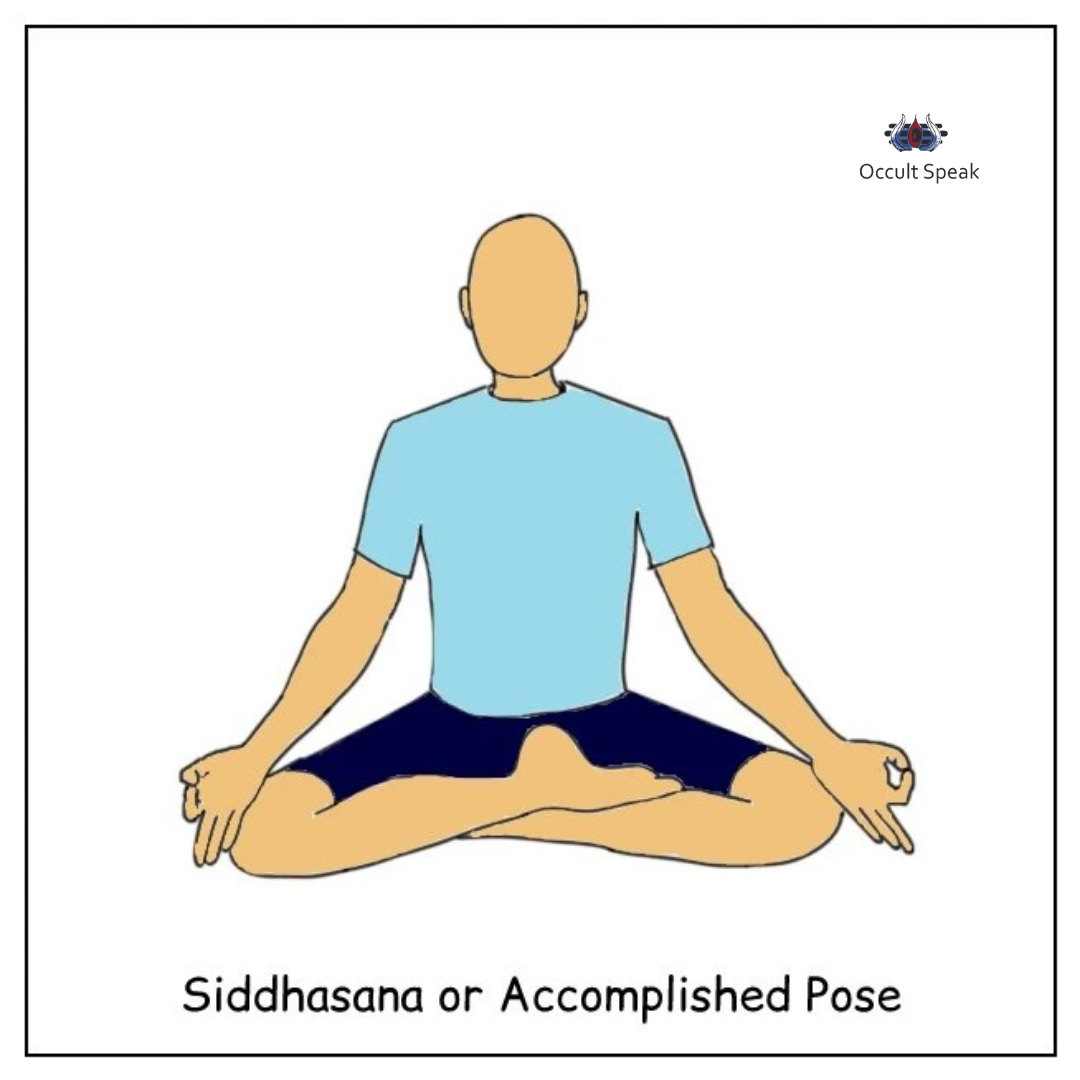
Siddhasan POSE
Mental Benefits of Siddhasana
1. Sharpens Focus & Concentration
Siddhasana stabilizes the body, which reduces physical restlessness and supports deep concentration, improving attention span and mental clarity.
2. Enhances Decision-Making Ability
The posture calms the limbic system (emotional brain) and supports rational thinking, helping you make better decisions with a peaceful and balanced mind.
3. Reduces Stress & Anxiety
Slow breathing in Siddhasana activates the parasympathetic nervous system, lowering cortisol levels and promoting relaxation.
4. Improves Memory Power
Better oxygenation and a calm mind support stronger retention, recall, and intellectual performance.
5. Balances Emotional Instability
This asana regulates the mind by reducing overthinking, emotional fluctuations, and mental agitation, fostering emotional stability.
6. Controls Sexual Thoughts & Impulses
By redirecting energy toward higher chakras, Siddhasana helps control sexual distractions, making the mind easier to focus during meditation.
7. Supports Mindfulness & Meditation
Siddhasana is designed for long sitting without discomfort, making it ideal for practices like mantra chanting, breath awareness, and meditation.
8. Boosts Inner Confidence & Self-Awareness
With regular practice, the mind develops discipline, self-control, and awareness, strengthening inner confidence and spiritual insight.
Spiritual Benefits of Siddhasan
Energetic & Meditative Advantages
Siddhasana is especially revered for its spiritual potential:
- Supports Brahmacharya, accelerating spiritual growth.
- Advanced practitioners performing Siddhasana for over 3 hours are believed to gain extraordinary spiritual abilities (Siddhis).
- Helps open Sushumna Nadi, aiding in Kundalini awakening and passage through the crown chakra.
- Assists in experiencing Self-Realization.
- Enables transition from Dharana (concentration) and Dhyana (meditation) to Samadhi (state of blissful absorption).
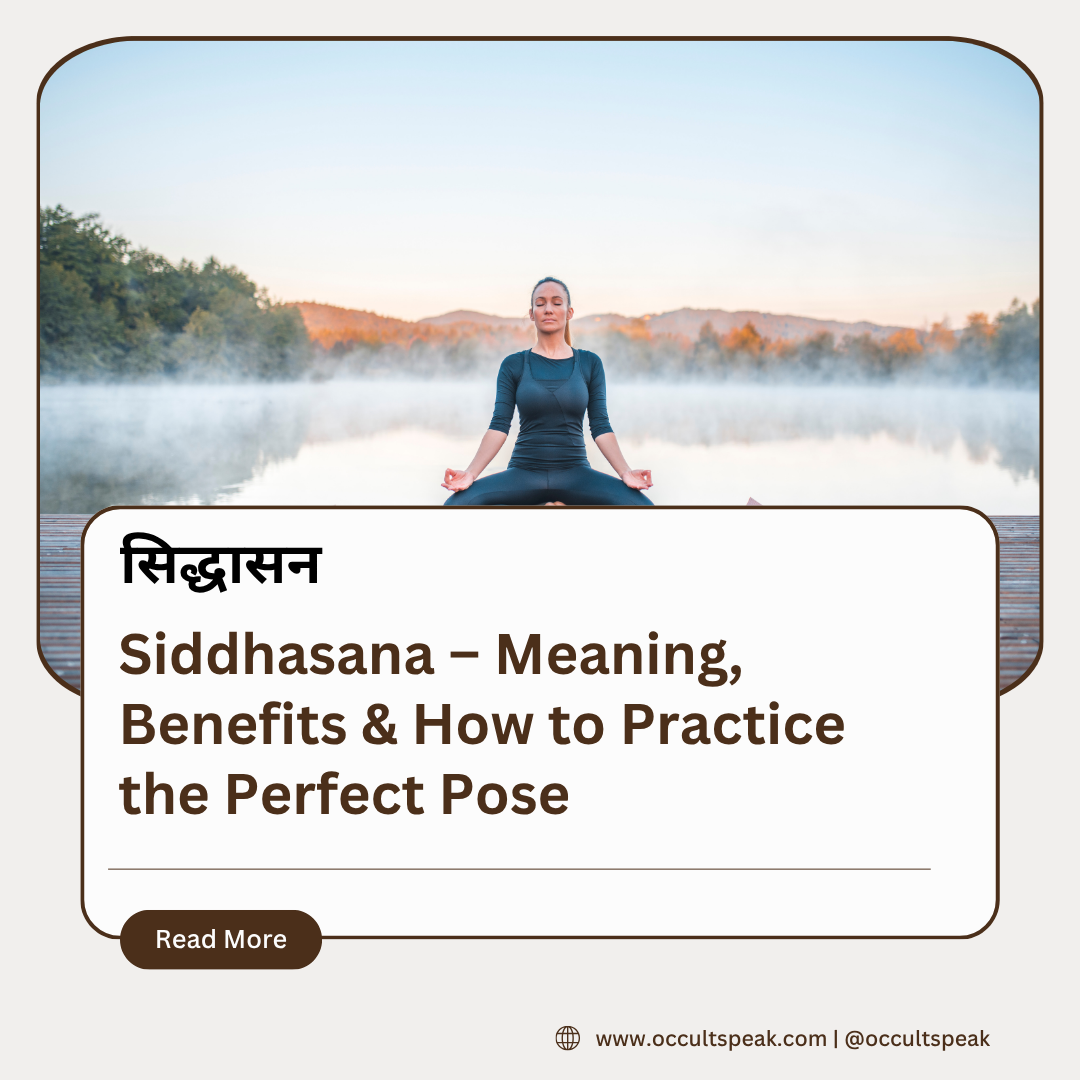
How to Perform Siddhasana (Step-by-Step Guide)
Practice Instructions
- Sit on a yoga mat in a comfortable seated position.
- Place your left ankle between the anus and genitals (approximately 1 to 1.5 inches in males).
- Place the right ankle above the left, near the navel, aligned with the Swadhisthana Chakra.
- Ensure the heels lock the Mooladhara and Swadhisthana Chakras, directing energy upward.
- Keep the spine straight.
- Place hands on the knees in Gyan Mudra (touch index finger to the thumb).
- Focus on the Ajna Chakra (third eye point) between the eyebrows.
- Maintain slow, deep, mindful breathing.
When Should You Avoid Siddhasana?
Avoid practicing Siddhasana if you have:
- Severe arthritis
- Sciatica pain
- Piles or chronic constipation
- Injury or recent surgery involving the lower body
- Pregnancy with back pain or leg/foot swelling
Final Thoughts
Siddhasan is more than a sitting posture; it is a gateway to physical well-being, mental clarity, and profound spiritual evolution. With consistent practice, this “Accomplished Pose” becomes the foundation for deep meditation and inner transformation.
Siddhasana is not only a meditation seat — it is a mental training tool, building focus, emotional balance, and deep inner peace.
Regards,
Nirav Hiingu

Leave a Reply