Understanding the Significance of Mahashivratri ( Why Mahashivratri Is Celebrated )
Mahashivratri, meaning “The Great Night of Shiva,” is one of the most significant festivals in Hinduism, dedicated to the worship of Lord Shiva. Celebrated annually, this night is observed with immense devotion, fasting, and vigils, holding a deep spiritual meaning for millions of devotees worldwide.
Meaning of Mahashivratri
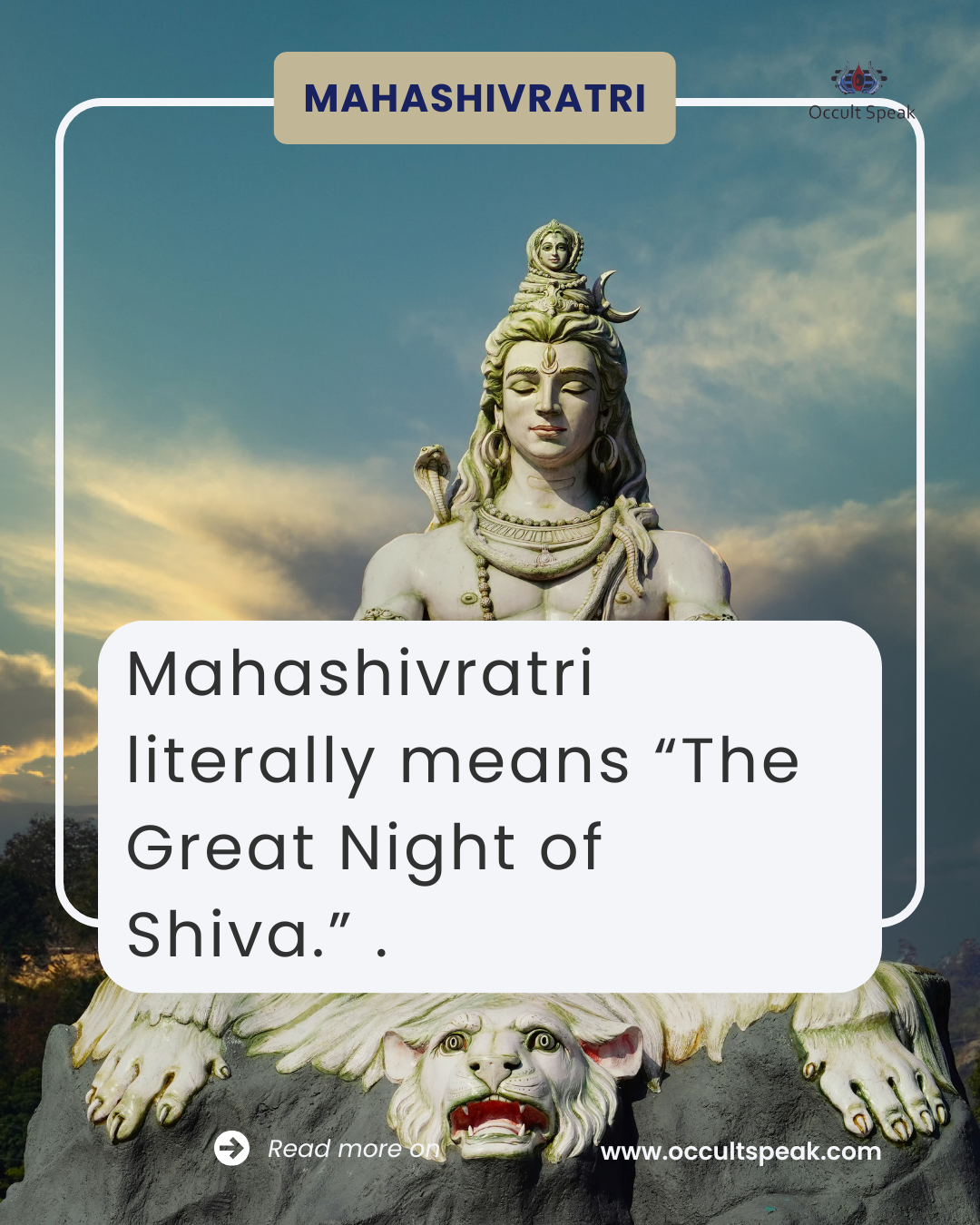
Mahashivratri literally means “The Great Night of Shiva.” It is considered the most significant Shivratri (night dedicated to Shiva) in the year.
The Celestial Occasion
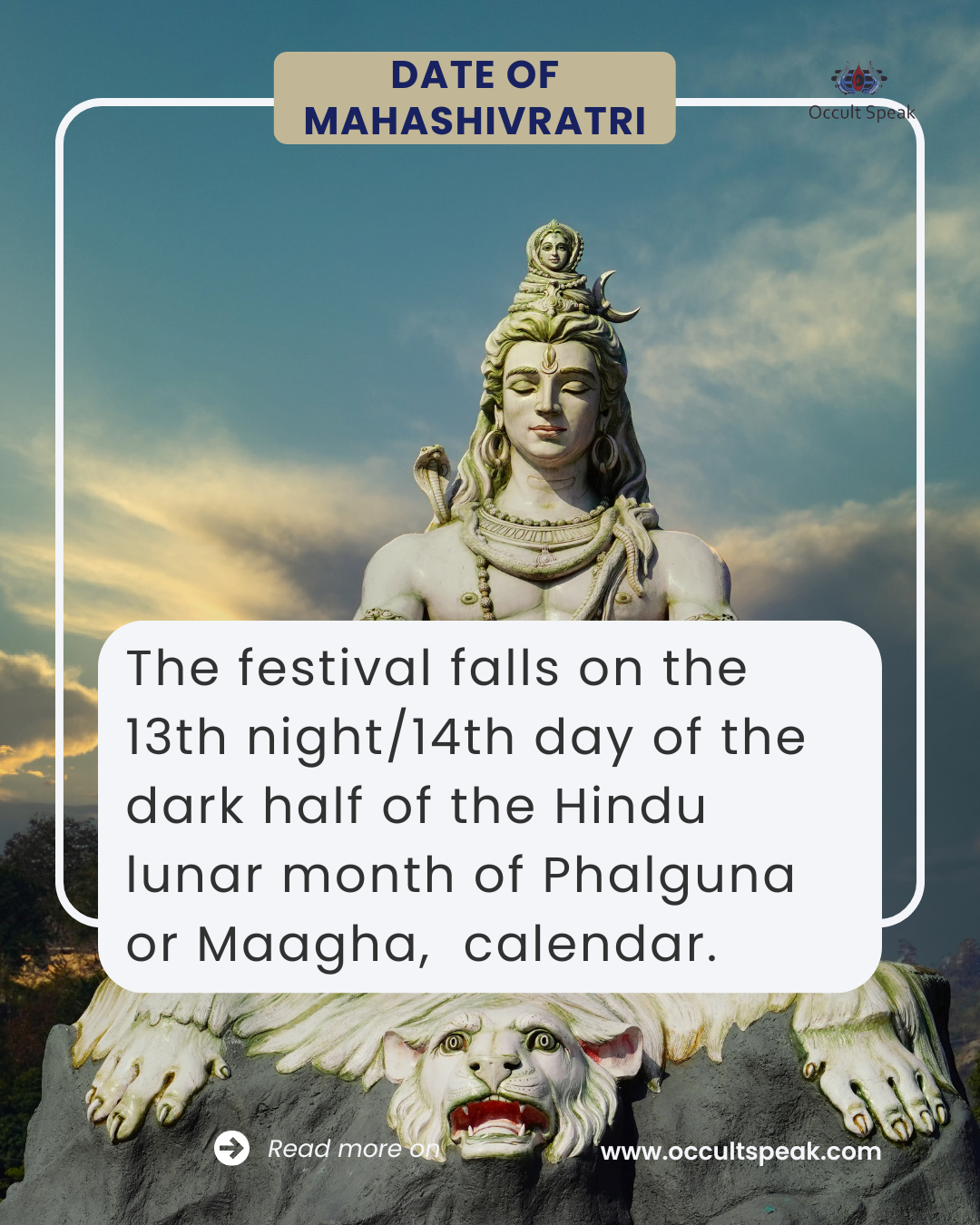
The festival falls on the 13th night/14th day of the dark half of the Hindu lunar month of Phalguna or Maagha, which typically corresponds to February or March in the Gregorian calendar.
Key Reasons : Why Mahashivratri Is Celebrated
The celebration of Mahashivratri is rooted in several powerful legends and spiritual beliefs, each offering a unique perspective on the significance of the day:
1. The Wedding of Shiva and Parvati
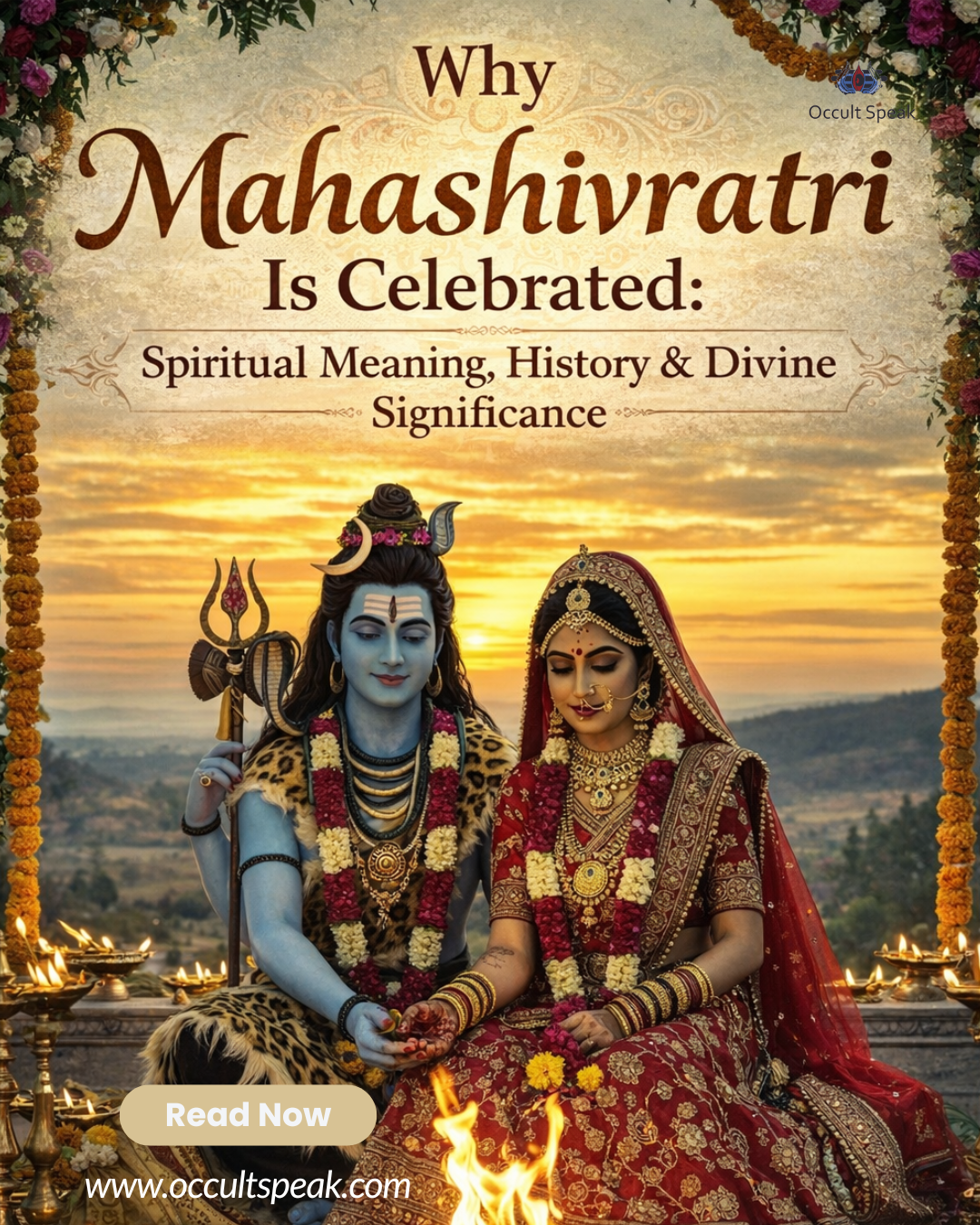
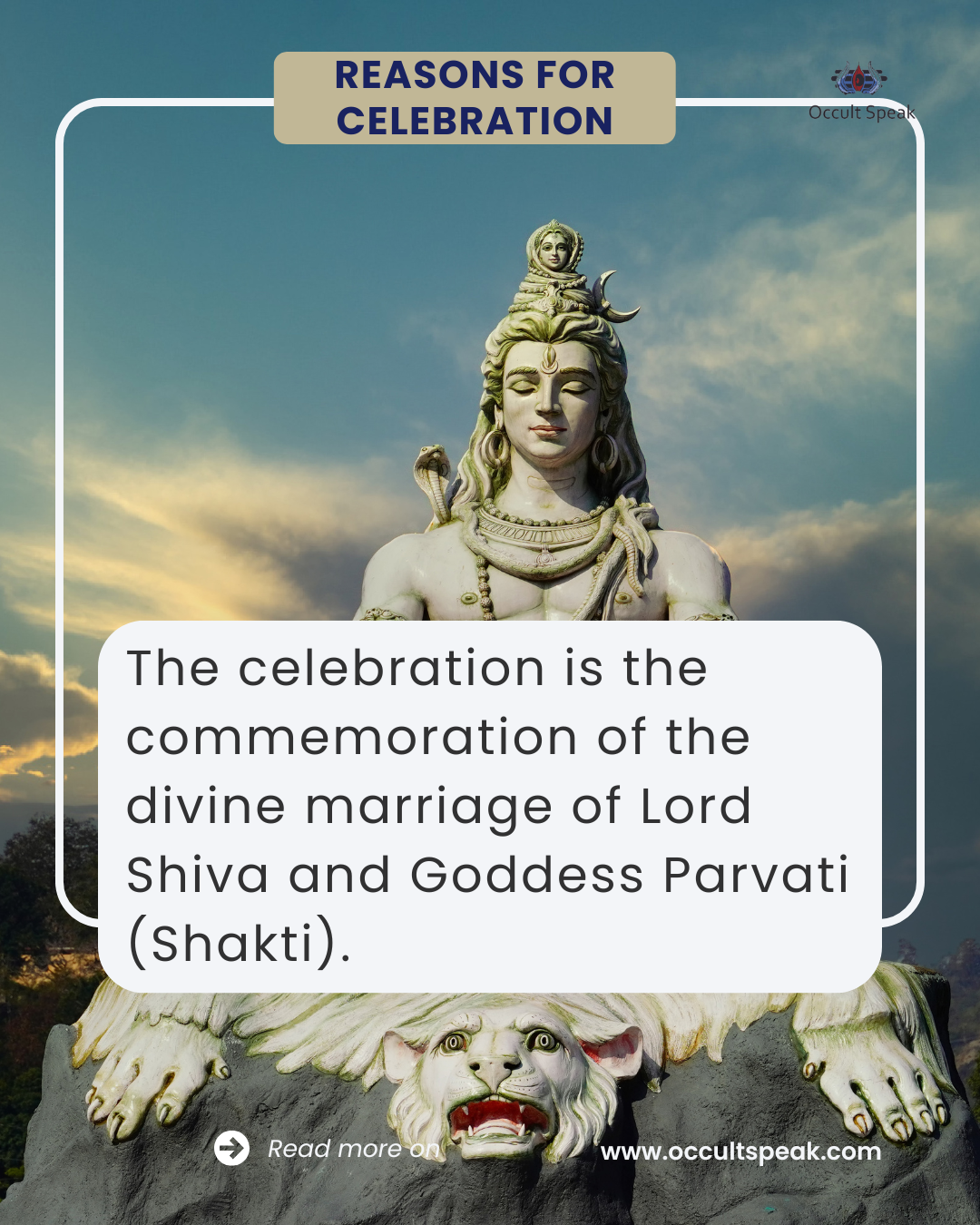
One of the most widely accepted reasons for the celebration is the commemoration of the divine marriage of Lord Shiva and Goddess Parvati (Shakti). This union represents the ultimate balance between the male and female creative energies of the universe.
2. The Night of Cosmic Dance (Tandava)
It is believed that on this night, Lord Shiva performs the ‘Tandava Nrittya’ or the celestial dance of creation, preservation, and destruction. This dance is a powerful symbol of the universe’s rhythmic cycle of existence.
3. Salvation and Liberation
Many devotees believe that by staying awake all night, fasting, and worshipping Lord Shiva on Mahashivratri, they can attain salvation and be liberated from the cycle of birth and death. The vigil, known as the ‘Jaagran’, is a crucial part of the observance.
4. Manifestation of the Linga
According to a prominent legend, it was on this night that Lord Shiva manifested himself as a ‘Linga’ (a symbol of divine energy) to settle a dispute between Lord Brahma and Lord Vishnu over who was supreme. The Shiva Linga is worshipped with great reverence on this day.
5. Consuming the Poison Halahala
Another powerful legend highlights Shiva’s role as the saviour of the world. When the Amrit (nectar of immortality) was churned from the ocean (Samudra Manthan), a pot of deadly poison called Halahala also emerged, threatening to destroy the cosmos. Lord Shiva drank the entire poison to save the world, holding it in his throat, which turned blue (earning him the name Neelakantha or Blue Throat). Mahashivratri marks the deep gratitude for this selfless act.
Observances and Rituals ( Why Mahashivratri Is Celebrated )
Devotees engage in various rituals to honour the Lord on this day:
| Ritual | Significance |
|---|---|
| Fasting | Purification of the body and mind |
| Jaagran (Night Vigil) | A spiritual discipline to remain aware |
| Abhishek (Ritual Bath) | Bathing the Shiva Linga with milk, water, honey, etc. |
| Offering | Offering Bilva (Bel) leaves, which are sacred to Shiva |
Many observe a fast for the entire day and break it only after the night-long worship is complete on date.
Spiritual Purpose ( Shiv Sadhana )
Mahashivratri isn’t just a ritual — it’s a night with exceptional spiritual potential:
It offers a chance to experience the vast inner emptiness or source of creation that yogis call Shiva — not just as a deity, but as the Adi Guru (the first yogi and origin of yoga).
Practitioners use this night to stay awake with awareness, meditate, and possibly touch that inner stillness where individual identity dissolves
Rudrasthayi Path: The Supreme Sadhana ( Why Mahashivratri Is Celebrated )
Among the many rituals performed on Mahashivratri, Rudrasthayi Path is regarded as one of the most powerful practices.
Key Features:
It is performed for 4 Prahar (Preher), covering 12 continuous hours.
Each Prahar lasts approximately 3 hours in modern times.
The path involves systematic chanting of Rudra mantras along with focused meditation.
Spiritual Benefits:
Deep purification of mind and soul
Removal of karmic obstacles
Strengthening of spiritual energy
Activation of higher consciousness
This sadhana requires discipline, devotion, and proper guidance, and is often performed by trained Vedic scholars and dedicated seekers.
Naam Jaap: All-Night Chanting
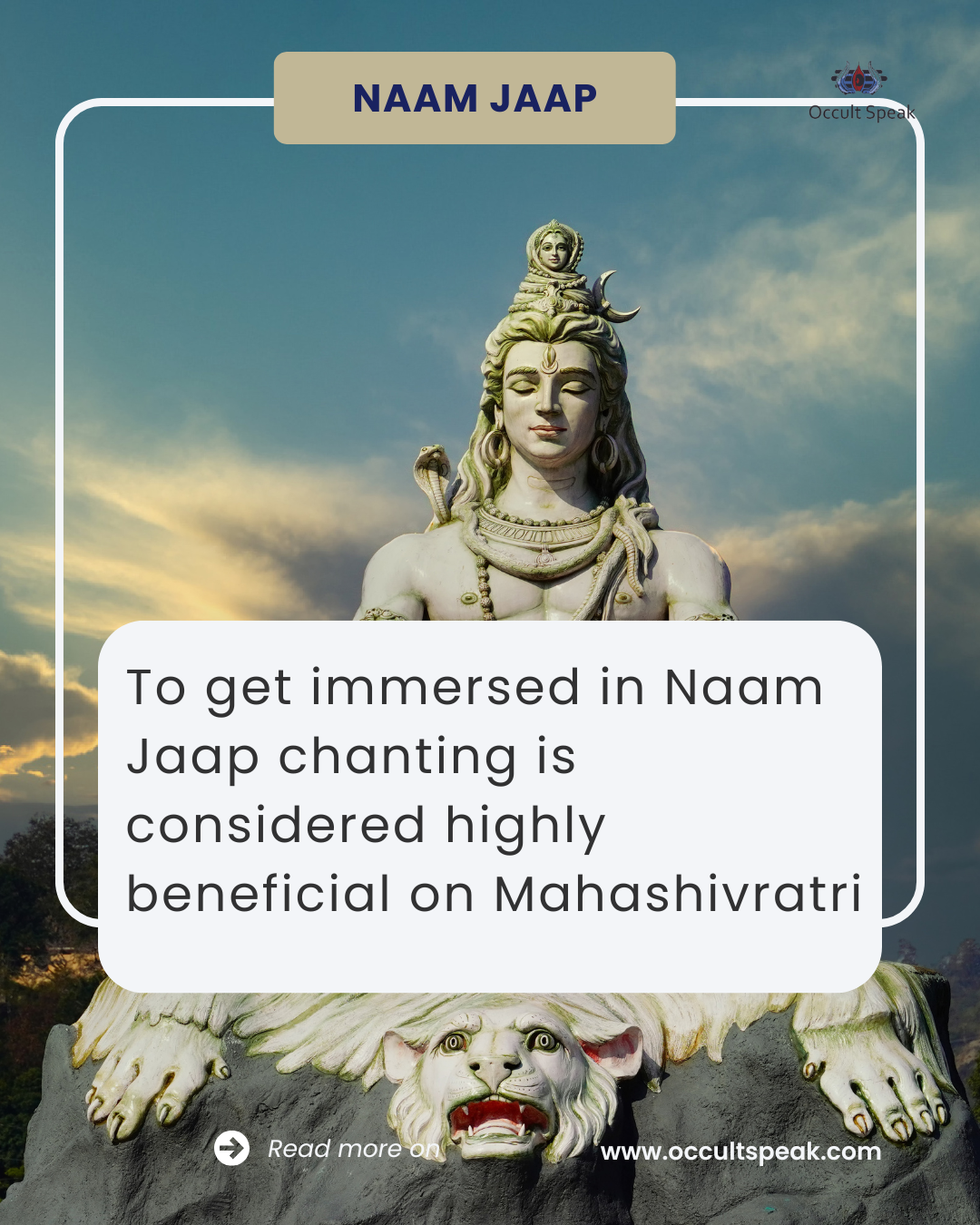
Apart from Rudrasthayi, Vedic scholars strongly recommend Naam Jaap (continuous chanting of Lord Shiva’s name) throughout the night.
Why Naam Jaap Is Important:
Keeps the mind focused and alert
Helps maintain spiritual awareness
Creates a protective spiritual aura
Enhances devotion and surrender
Few Common Mantra chants include:
Om Namah Shivaya
Shivaya Namah
Har Har Mahadev
“Saamb-Sadashiv” Mantra: The Ultimate Balance
Among all Shiva mantras, “Saamb-Sadashiv” is considered one of the most powerful.
Meaning:
Saamb represents Shakti (Divine Energy / Parvati)
Sadashiv represents Shiva (Pure Consciousness)
This mantra symbolizes the divine union of Shiva and Shakti.
Spiritual Significance:
Creates balance between masculine and feminine energies
Harmonizes mind and emotions
Activates inner stability
Enhances spiritual awareness
This balance is also known as: Yin and Yang and in Vedas as Purush and Prakriti
When these energies are balanced, a person experiences inner harmony and spiritual strength but Scholars say that staying awake and immersed in chanting is considered highly beneficial on Mahashivratri.
Hope you like this article on “Why Mahashivratri Is Celebrated”.
Wish you all Shubh Mahashivratri..
Love & Light,
Nirav Hingu
Shiv Darshanabhilashi